If you’re a working professional, chances are your days look something like this:
Emails before breakfast. Meetings all day. Lunch at your desk. A commute. Family. By evening, a long workout feels impossible.
I hear this from professionals every day.
A project manager in her late 30s told me, “I don’t hate exercise. I just don’t know where to fit it anymore.”
She wasn’t lazy. She was exhausted.
She was tired, sore, and dependent on coffee. Gym memberships and YouTube workouts didn’t stick.
That’s when she discovered functional fitness.
And honestly, it made a real difference for her.
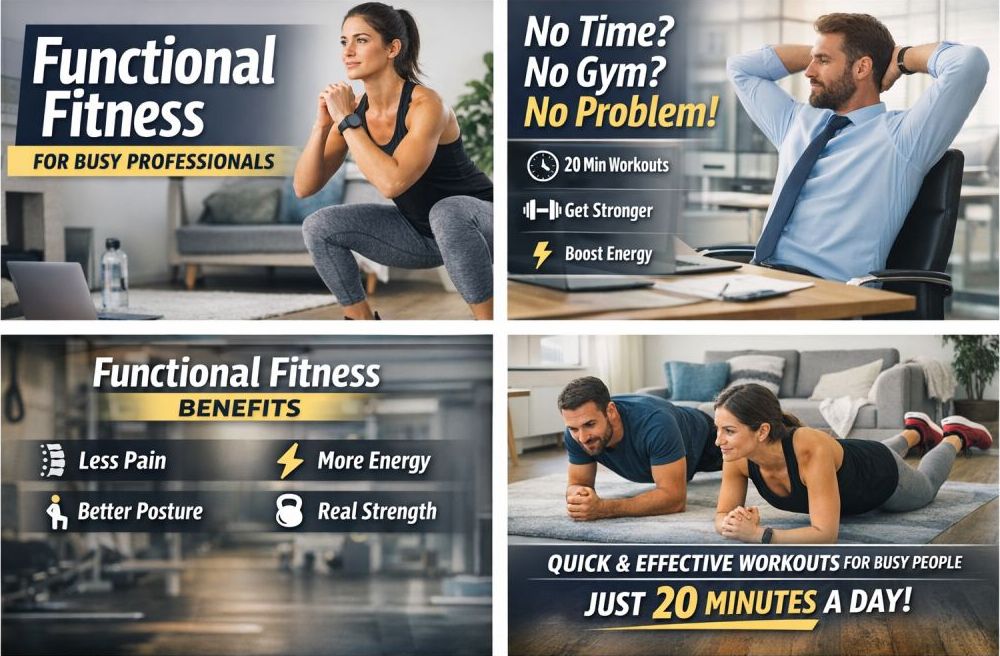
What Exactly Is Functional Fitness?
Functional fitness trains your body for real life, not just appearance.
Instead of isolating muscles, functional workouts focus on everyday movements:
- Squatting (sitting and standing)
- Hinging (picking things up)
- Pushing (doors, carts, furniture)
- Pulling (bags, suitcases)
- Rotating (turning your torso)
- Stabilising your core (protecting your spine)
These are the motions you already use daily. Functional fitness simply strengthens them.
Functional training helps improve balance, coordination, posture, and overall movement. In simple terms, it helps you feel and function better in every part of your life.
Why Functional Fitness Makes Sense for Busy Professionals
1. It Fixes What Desk Jobs Break
Long hours of sitting tighten hips, weaken glutes, and wreck posture.
Remote work gave me lower-back pain. Stretching didn’t help. Adding hip hinges, glute bridges, and core exercises did.
Within weeks, the pain eased.
Functional training restores natural movement patterns that office life slowly steals.
2. It Doesn’t Eat Up Your Schedule
You don’t need hour-long workouts.
Most routines last 15–30 minutes and work many muscle groups. Perfect for breaks or evening sessions.
Short, focused workouts beat skipping long ones every time.
3. You Gain Real-World Strength
After a few weeks, people report:
- Carrying groceries feels easier
- Stairs don’t leave them breathless
- Their posture improves without trying
- They feel more alert at work
That’s functional strength, the kind that makes a difference in your daily life.
Common Fitness Struggles (and Real Solutions)
“I don’t have time.”
Try breaking movement into small pieces.
Three 10-minute sessions across the day can be surprisingly effective.
Morning mobility. Afternoon strength. Evening stretching.
Consistency beats duration.
“Gyms make me uncomfortable.”
You don’t need one.
Functional fitness can be done at home with just your bodyweight, a chair, or bands.
No mirrors. No pressure.
“I always start and then stop.”
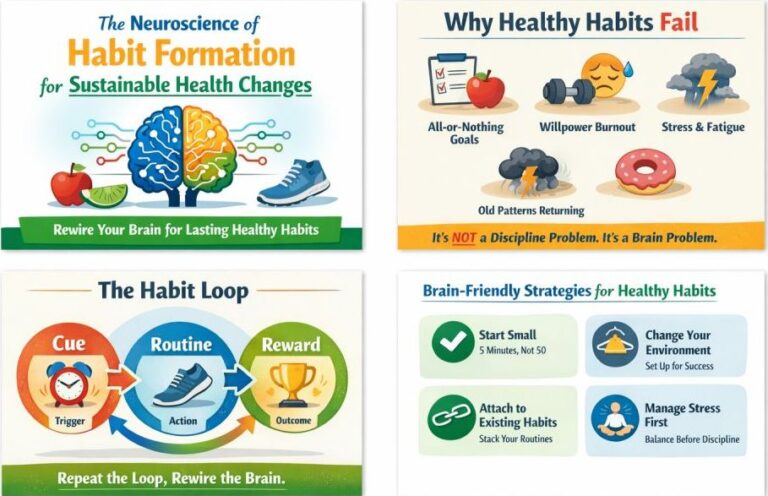
Attach exercise to habits you already have:
- squats while brushing teeth,
- wall push-ups between meetings,
- walking calls,
- or stretching while watching TV.
Small habits build momentum.
A Simple 20-Minute Functional Workout You Can Do Anywhere
Do this routine three or four times weekly.
Warm-Up (5 minutes)
- Arm circles
- Hip circles
- March in place
- Cat-cow stretch
- Easy squats
Just get moving.
Main Workout (12 minutes)
Do each exercise for 40 seconds, then rest for 20 seconds. Complete the six exercises in this order:
- Bodyweight squats
- Push-ups (wall or floor)
- Glute bridges
- Standing rows (band or towel)
- Reverse lunges
- Plank
After completing all six exercises, repeat the entire sequence once more for a total of two rounds.
Cool Down (3 minutes)
- Forward fold
- Chest stretch
- Slow breathing
That’s it—just twenty minutes.
How to Move More at Work (Without Looking Weird)
These are things I personally use during busy days:
- Shoulder rolls every hour
- Seated leg raises on calls
- Standing meetings when possible
- Desk push-ups
- Taking stairs instead of elevators
Even small changes add up over time.
Eating for Energy (Not Perfection)
You don’t need complicated diets.
Just focus on the basics:
- Protein with every meal
- Drink more water than you think you need
- Eat fruit or oats before workouts
- Reduce ultra-processed snacks
Simple choices improve workouts and clarity.
A Real Example: From Constant Pain to Daily Energy
An IT consultant I worked with (early 40s) came to me with neck pain and poor sleep. He started doing 15-minute functional sessions four times per week.
After two months:
- Neck pain dropped significantly
- He lost about 4 kg
- His posture improved
- Sleep became deeper
- Work focus increased
He told me:
“This finally fits. I’m not fighting my schedule anymore.”
That’s exactly what functional fitness is meant to do.
What Research Says
Research shows functional training improves balance, core strength, and movement efficiency.
The CDC also recommends strength-based activity at least twice per week to reduce the risk of chronic disease.
Functional fitness meets those guidelines.
Mistakes I See Busy Professionals Make
- Doing too much too fast
- Skipping warm-ups
- Only doing cardio
- Ignoring mobility
- Waiting for motivation
Start slow. Be consistent. Progress steadily.
How to Stay Consistent Even on Crazy Weeks
Here’s what actually works:
- Block workouts in your calendar
- Keep workout clothes visible
- Track progress weekly
- Celebrate small wins
- Pay attention to how you feel
Remember:
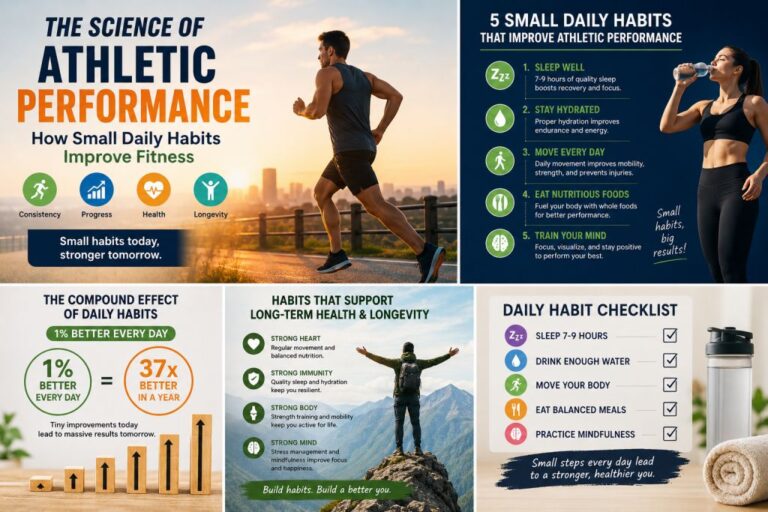
Showing up imperfectly beats not showing up at all.
Final Thoughts
Functional fitness isn’t a trend.
It’s a practical approach for professionals who want:
- Less pain
- More energy
- Better posture
- Stronger bodies
- Sharper minds
Forget fancy equipment or perfect routines.
You just need to move regularly.
Set a timer and do your first 10 minutes now—no excuses. Take action to start.
Take the first step today. Your progress starts with a single session. Start moving now.
About the Author