Simple daily choices can rewire your biology, slow aging, and help you live not only longer but also stronger.
Introduction: Longevity Is a Result of Daily Practice, Not Luck
Some people remain healthy into their 90s, while others face chronic diseases much earlier. Research shows that daily habits, rather than supplements or genetics, play a key role in how we age at the cellular level.
In 2023, during a health journalism assignment, I spent a week with an 82-year-old marathon enthusiast in Bengaluru. He told me something unforgettable:
“Ageing is natural. Declining is optional.”
At the time, I was experiencing chronic burnout and poor sleep. His simple, intentional, and science-backed routine reshaped my understanding of longevity. This blog combines real-life experiences with current scientific insights to help you add years and quality to your life.
The Science Behind Longevity: Why Daily Habits Matter
Longevity science revolves around three core ideas:
1. Cellular Aging (Telomeres & DNA)
Telomeres—the protective caps on your DNA—shorten with age. Studies by Nobel Prize winner Dr. Elizabeth Blackburn show that stress, diet, and sleep directly influence telomere length.
2. Mitochondrial Health
Your mitochondria produce energy. When they weaken, so does your body. Daily activity, diet, and fasting keep them young.
3. Inflammation & Oxidative Stress
Chronic inflammation accelerates aging. Anti-inflammatory diets, exercise, and emotional regulation dramatically reduce this burden.
The takeaway?
Your daily habits determine whether your cells age faster or slower than your chronological age.
Top Daily Habits That Extend Lifespan (Backed by Science)
1. Move Your Body Every 30–60 Minutes — Not Just Once a Day
A key longevity insight I observed from the 82-year-old marathoner was his frequent movement throughout the day, rather than exercising only once.
Why this matters:
Research from the American Heart Association shows that sitting for long hours increases mortality—even if you work out later. Movement boosts mitochondrial efficiency and improves circulation.
How to apply it:
- 5-minute walk every hour
- 10 squats whenever you stand up
- Stretch while waiting for the food to heat up
- Replace phone scrolling with a 5-minute mobility routine
Frequent small movements contribute significantly to longevity.
2. Prioritize Sleep Like It’s Medicine
Many people underestimate the importance of deep sleep until their health begins to decline.
Sleep is your nightly repair cycle:
- Restores immune function
- Regulates inflammation
- Strengthens memory
- Repairs and renews cells
Studies from Harvard Medical School link poor sleep to obesity, hypertension, weakened immunity, and shorter lifespan.
Daily sleep-enhancing habits:
- Consistent sleep timing
- Dark, cool room
- No screens 90 minutes before bed
- Magnesium-rich foods: almonds, spinach, bananas
When I shifted my bedtime to 10:30 PM from midnight, I noticed reduced morning fatigue and lower stress levels within a week.
3. Eat a Longevity Diet: Fiber, Plants, Ferments, Healthy Fats
A common habit in Blue Zones, where people often live past 100, is following a primarily plant-based diet with minimal processed foods.
What longevity diets include:
- Whole grains
- Lentils, beans, chickpeas
- Leafy greens & colorful veggies
- Nuts & seeds
- Fermented foods (curd, kefir, kimchi)
- Healthy fats (olive oil, flax, walnuts)
Why it works:
- Reduces inflammation
- Feeds good gut bacteria (gut health = stronger immune system)
- Improves insulin sensitivity
- Lowers chronic disease risk
Longevity-friendly eating patterns:
- 80% rule: Stop eating when you’re slightly full
- Time-restricted eating: 12–14-hour fasting window
- Cook more meals at home
After adopting a 14-hour fasting window and increasing legumes in my diet, I experienced improved digestion, more stable energy, and deeper sleep within weeks.
4. Build Strong Social Connections
Relationships are among the most underrated tools for longevity.
The world’s longest-running study on happiness by Harvard University found that strong social bonds predict longer life more than income, genetics, or even diet.
Longevity-boosting social habits:
- Spend time with people who uplift you
- Limit engagement with toxic or draining individuals
- Join a walking group or hobby class
- Stay connected with family and close friends
- Volunteer at least once a month
According to the U.S. Surgeon General, loneliness increases the risk of early death as much as smoking 15 cigarettes a day.
5. Manage Stress Before Stress Manages You
Chronic stress accelerates aging by shortening telomeres and raising inflammatory markers. This is why long-term anxiety correlates with heart disease and depression.
Daily stress-lowering habits:
- Deep breathing (5 minutes)
- Meditation or prayer
- Journaling
- Gratitude practice
- Spending time in nature
A transformative moment for me was meeting a former corporate executive who left his high-paying job after a stress-related health scare. His advice remains impactful:
“You cannot pour from an empty body. Refill your calm daily.”
6. Keep Your Brain Young with Lifelong Learning
Cognitive decline is not inevitable. Neuroplasticity, the brain’s ability to adapt and rewire, continues throughout life.
Simple brain-boosting habits:
- Learn a new skill every year
- Read 15–20 minutes daily
- Play strategy games
- Practice writing
- Speak or learn another language
Engaging in brain-stimulating habits reduces the risk of Alzheimer’s disease and enhances mental resilience.
7. Spend Time in Sunlight (But Smartly)
Moderate sunlight exposure supports vitamin D synthesis, which is essential for immune function, bone strength, and mood regulation.
Healthy sun habits:
- 10–20 minutes of morning sunlight
- Avoid peak UV hours (11 AM–3 PM)
- Use sunscreen outdoors during the day
Vitamin D deficiency is associated with fatigue, depression, and weakened immunity, all of which are common in aging.
8. Keep Your Purpose Alive: Ikigai & Healthy Aging
Purpose-driven individuals tend to live longer, as consistently observed in Blue Zones.
How to cultivate purpose:
- Engage in meaningful hobbies
- Contribute socially
- Set small daily or weekly goals
- Identify what brings joy and fulfillment
People with purpose have fewer heart attacks and lower stress biomarkers, according to studies from the National Institutes of Health.
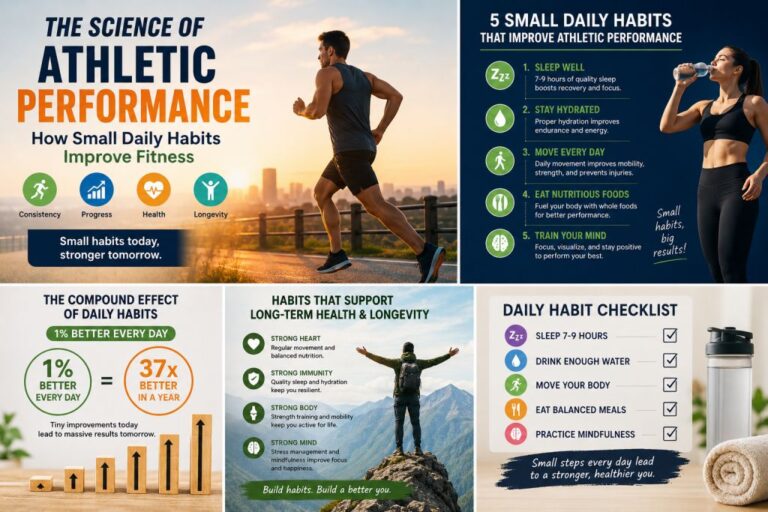
Daily Longevity Routine (Easy to Follow)
Here’s a simple science-backed routine you can adopt:
Morning
- 10-minute sunlight exposure
- 500 ml water + fruit or soaked nuts
- 10–15 minutes of movement
- Light, plant-rich breakfast
Midday
- Healthy balanced meals
- Walk 5 minutes every hour
- Avoid excessive sugar
Evening
- Light dinner (before 8 PM)
- Walk after dinner
- Screen-off time
Night
- Gratitude journaling
- Sleep by 10–11 PM
Real-Life Story: A Personal Shift That Added “Life to My Years”
A few years ago, I experienced constant fatigue, lack of focus, and borderline high blood pressure despite my age. Five micro-habits inspired by longevity research made a significant difference:
1. Walking 7,000 steps a day
2. Sleeping before 11 PM
3. Eating homemade meals 5 days a week
4. Deep breathing during stressful moments
5. Weekly meet-ups with friends or family
The transformation was gradual, but within three months I observed:
- Better sleep
- More energy
- Sharper focus
- Reduced stress
- Improved digestion
These small, consistent changes demonstrated that longevity is not a distant concept but a daily choice.
Credible Sources & Research-Based Insights
The ideas in this blog draw from reputable scientific research, including:
- Harvard Study of Adult Development
- Blue Zones Project – Dan Buettner
- American Heart Association
- National Institutes of Health (NIH)
- Stanford Center on Longevity
- Dr. Andrew Huberman’s neuroscience research
- Nobel Prize research on telomeres by Dr. Elizabeth Blackburn
Conclusion: Longevity Is Built in the Everyday Moments
Expensive anti-aging treatments or genetic luck are not required. Longevity results from practicing science-backed habits daily, including movement, sleep, relationships, nutrition, stress management, sunlight, purpose, and lifelong learning.
The most incredible part?
You can start today.
In the years ahead, you will appreciate the simple habits you choose to adopt today.
About the Author