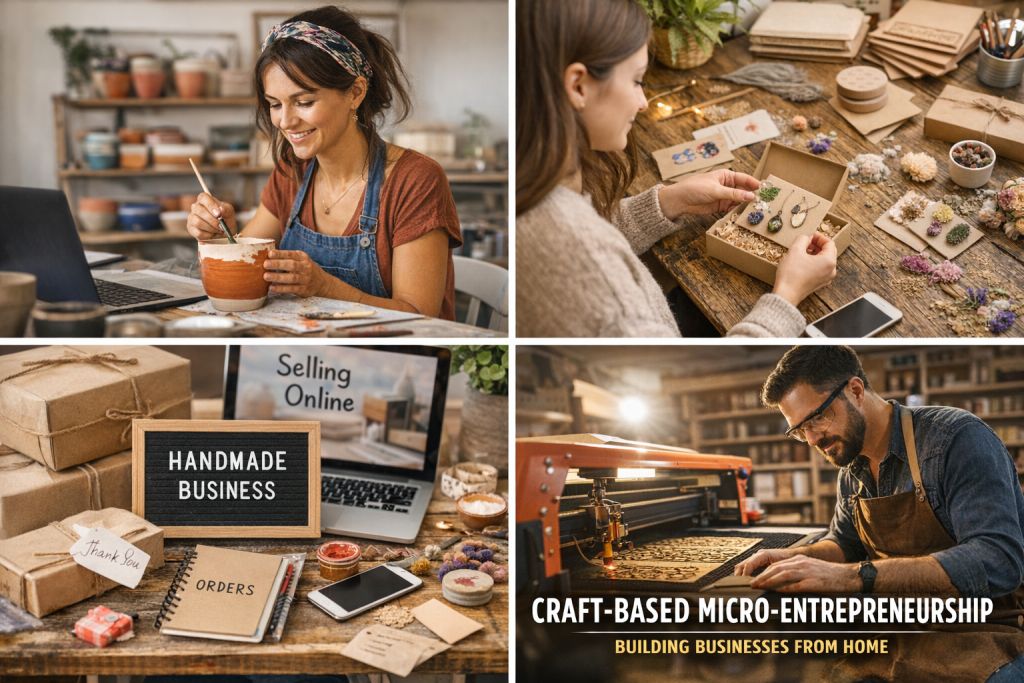
A quiet revolution is changing entrepreneurship. Businesses don’t begin just in offices or factories these days. Many of those now begin in living rooms, kitchens and small home studios. People who once made jewellery, knitted scarves, painted art or created candles in their spare time have started monetising those skills.
This nascent small-scale, creative economy — which I term craft-based micro-entrepreneurship — upends centuries-old notions of work, creativity and income as it empowers people to launch businesses based on their individual skills.
These days, millions of home crafters are building small but meaningful businesses. Digital marketplaces and social media — combined with growing interest in handmade goods — are making this movement an economic force.
This article considers how far we have come, and why in fact they are witnessing success for normal folk turning creativity into sustainable income through craft based micro businesses.
Also think about The Handmade Economy is a Postgroup
The handmade industry, however, is no longer a niche one. It is a world economy, propelled by the demand to create varied, sumptuous products.
In 2024, the global handicrafts market was estimated to be worth about $906 billion and is projected to grow at a Fast-Paced CAGR during the forecast period, according to new report coverage. The reason which serves as prime driver for growth in this market are high demand of handmade products and personalised goods.
Some big trends are driving that growth:
- Mass production versus one of a kind products, consumers are drawn to the latter.
- The demand for organic and sustainable products.
- How Artisans are Using Social Media to Create a Market for Their Craft
- The remote based work allows people to bulid the business from home
Handmade marketplaces are also a big part of the picture. Websites like Etsy have established global communities in which makers offer their products directly to consumers. Etsy itself connects over 5 million creative entrepreneurs with 90 million buyers globally.
So a craft maker in a rural town can sell to customers anywhere on the planet.
The Side Hustler: Turning Passion Projects Into Businesses
One of the curious things about craft entrepreneurs is that a majority never set out to start their own business.
Many begin with simple intentions:
- To knit clothes for her child
- A designer exploring handcrafted jewelry
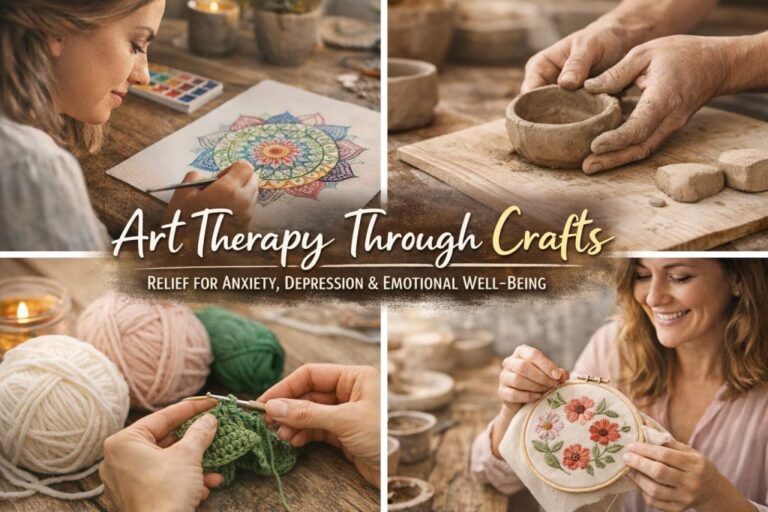
- Somebody is doing pottery classes to channel out the stress
Slowly, friends and family ask to buy their work.
Then something changes.
They find out the worth of their hobby.
In the study, it has also shown that roughly 69% of these creative entrepreneurs are now seeing their craft shop no longer as a hobby but as an actual business.
This is the New Paradigm and this is Micro-entrepreneurship.
A Real Story About the Power of Craft Entrepreneurship
I met a woman who make hand painted clay pots at a crafts fair. She began during the pandemic after developing an interest in gardening.
She posted pictures of the pots on Instagram. Friends began ordering them. Then strangers started messaging her.
Within one year:
- She opened an online store
- Started shipping nationwide
- Earned more from doing crafts than her previous part-time job
Her success relied on creativity, persistence and storytelling, not a major investment.
Now, stories like these are facing all over the world.
According to organisations supporting artisans, thousands of craft makers across India are transforming qualitative skills into sustainable ventures by offering training and access to markets.
It shows that craft entrepreneurship is about empowerment, not just products.
Why Craft-Based Businesses Are Surging
Consumers Want Authentic Products
Beside the label, products feel mass-manufactured. Handmade goods offer something unique.
They provide:
- Uniqueness
- Emotional connection
A story behind the product
Study reveals 85% of consumers are willing to pay extra for handmade stuff as they value quality and originality.
People want products, not industrial, but human.”
Technology Has Lowered Barriers
In the past, starting a business took money. Now, thanks to digital tools, it’s easier than ever.
Modern crafters use:
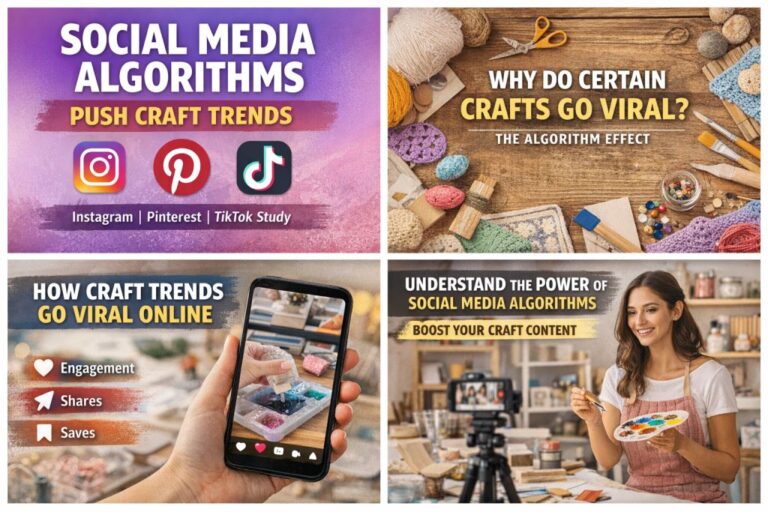
- Instagram and TikTok for marketing
- Online marketplaces for selling
- Design and Branding AI Tools
These technologies lower startup costs and allow creators to compete on a global scale.
Actually, these rapid prototypes save individuals (and teams) 70% of the time spent creating products through digital design tools and endless string unharnessed into sustainable adaptation in AI-assisted web platforms.
Technology is not replacing craft. It is amplifying it.
Home-Based Businesses Are Increasing
Most craft business owners work at home.
Research reveals that 97% of Etsy sellers work from home and the majority are solopreneurs who do everything themselves.
This model offers several advantages:
- Low overhead costs
- Flexible work schedules
- The ability to start at a low initial investment
This is a revolutionary flexibility for parents and students and rural workers.
Most Profitable Craft Niches
There’s a hierarchy of craft in the marketplace. Some niches are growing faster.
Here are a few profitable craft categories from recent industry analysis:
- Functional Ceramics
Handmade mugs, bowls and tableware are big sellers in the wake of the so-called “slow living” lifestyle movement.
- Botanical Resin Jewellery
Eco-friendly consumers are drawn to jewellery that features natural materials or real flowers.
- Upcycled Textile Products
They were increasingly interested in sustainable consumers: repurposed fabric, rugs, wall hangings and home decor.
- Personalized Gifts
Customisation products are top selling in handmade market. Over 84% of all buyers look for unique items.
It adds a personal touch that makes very simple crafts into special keepsakes.
Invisible Kind of Pain: The Hidden Challenge Facing Craft Entrepreneurs
Craft entrepreneurship can be inspiring, but it is not easy.
Many new crafters struggle with:
- Pricing their products
Beginner overestimation is also quite common in disregard of labour costs.
- Standing out online
With millions of other sellers online, the competition is strong.
- Managing multiple roles
A craft entrepreneur must become:
- A designer
- A marketer
- A photographer
- A logistics manager
However, only a small segment of craft makers emerge with a sustainable income.
Which is why strategy, branding and market research are so important.
Strategies Successful Craft Entrepreneurs Use
What they’re doing in common among the highest earners.
- Storytelling
Customers want to know:
- Who made the product
- How it was made
- Why it matters
When creators speak about their journey, customers feel a connection.
- Niche Specialisation
Instead of attempting to make everything, successful crafters find a niche.
Examples include:
- Eco-friendly candles
- Handwoven wall art
- Custom wedding gifts
A focused niche simplifies marketing.
- Community Building
(So many of those craft entrepreneurs have built them on social media.)
They share:
- Behind-the-scenes creation processes
- Tutorials and tips
- Customer stories
It establishes trust and repeat business.”
A Crafty Entrepreneurship for Social Impact
Craft culture isn’t just profitable.
They also:
- Preserve traditional skills
- Empower women entrepreneurs
- Support rural economies
The craft profession is one of the largest providers of work to poor regions in the world.
This way creating entrepreneurship passions collect money without leaving the hometown for many community.
As such it’s an economic as well as a cultural movement.
The Future of Craft-Based Businesses
But as we look ahead, the craft economy is only going to mature.
These trends will shape the future:
- Sustainable materials
There is an increasing demand for eco-friendly crafts using recycled or natural materials.
- Hybrid craft and technology
They will combine use of tools such as laser cutting and digital design with traditional skills.
- Direct-to-consumer sales
More creators will sell directly through social media and personal websites.
- Cultural storytelling
Crafts related to heritage and identity will be increasingly coveted.”
The global handmade market, experts predicted, could reach nearly $2 trillion by 2033 — evidence of the long-term potential for this sector.
Final Thoughts
Craft-based micro-entrepreneurship is phenomenal. It marks a shift in how people think about work and creativity.
Entrepreneurship, — is more than start-ups or techno companies. It also lingers in home studios and small workshops and on kitchen tables where people translate creativity into revenue.
For many people, craft is no longer a hobby. It is a path to independence, purpose and wealth.
But the most encouraging part of this is that:
- Every handmade piece has a human story behind it.
That human touch has never been more precious in an era of automation and mass production.
About the Author