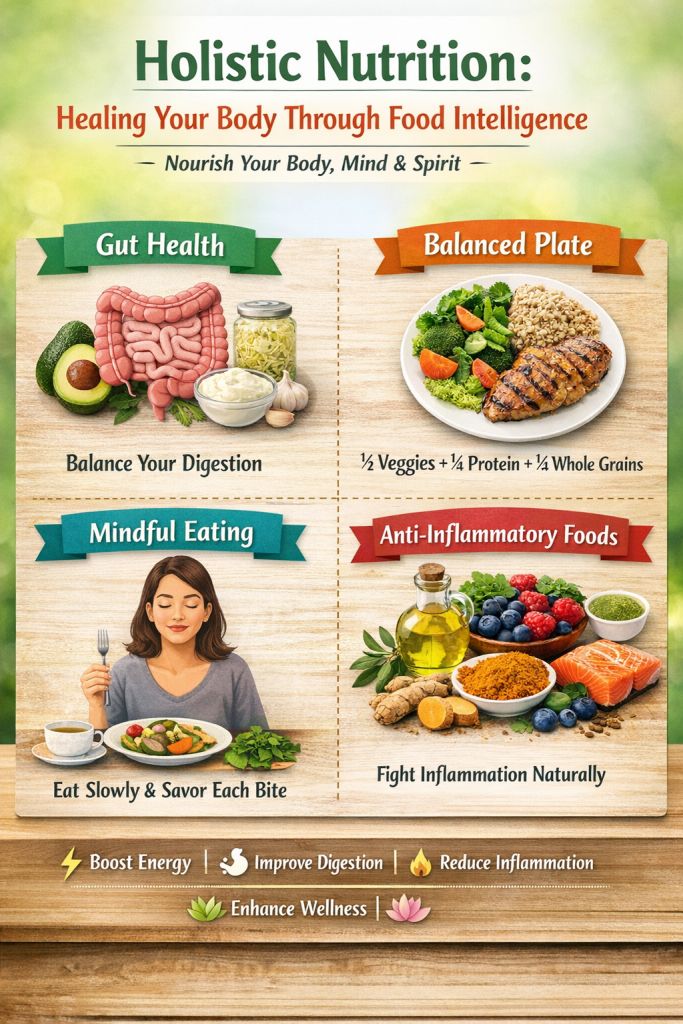
Difficulty focusing during digestive discomfort is not just frustrating; it is rooted in biology. In the past decade, researchers have identified strong connections between the gut and the brain, known as the gut–brain axis. Microbes, neurons, and chemicals in the gut influence mood, focus, and cognitive clarity. This post outlines the science in accessible terms, offers practical steps to enhance mental clarity through digestive health, and highlights key clinical evidence to support informed action.
What is the gut–brain connection — quickly
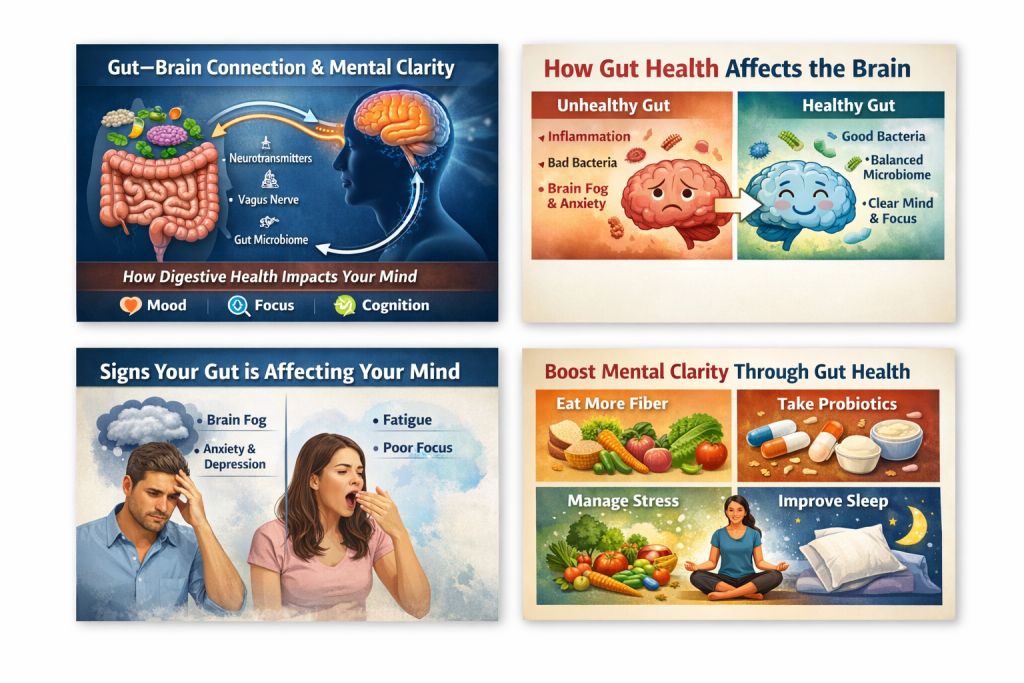
The gut–brain axis is a bidirectional network connecting the central nervous system (the brain), the enteric nervous system (the gut’s own neural network), the immune system, microbial metabolites, and the vagus nerve. Signals travel both ways: stress and thoughts alter gut function, while gut microbes and their metabolites can alter brain chemistry, inflammation, and even behaviour. Recent comprehensive reviews summarize how this system influences mood, cognition, and neurodegeneration — making the gut a legitimate target for improving mental clarity and emotional resilience.
Why digestive health affects mental clarity
Three mechanisms matter most:
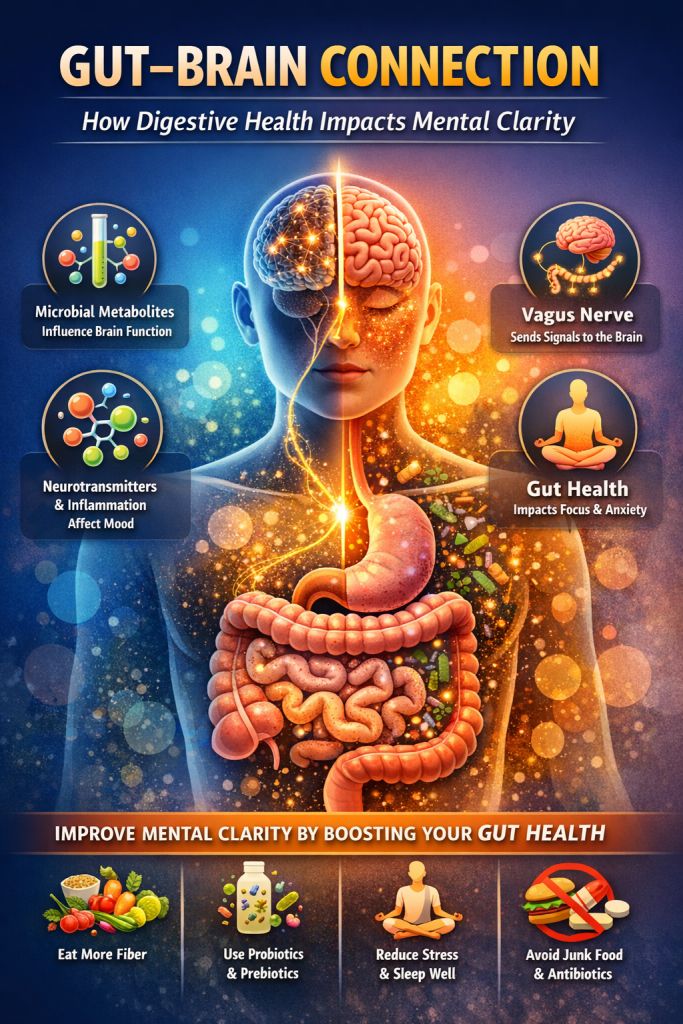
1. Microbial metabolites (short-chain fatty acids): Beneficial gut bacteria ferment fiber into molecules such as acetate and butyrate, which influence brain function, blood–brain barrier integrity, and neuroinflammation. These metabolites support neuronal health and cognitive processes.
2. Neurotransmitter and immune signaling: Gut bacteria help synthesize and regulate neurotransmitters (such as serotonin and GABA) and inflammatory molecules that affect mood and attention. Chronic gut inflammation can increase brain fog and anxiety.
3. Neural pathways (vagus nerve): The vagus nerve transmits sensory information from the gut to the brain. Modulating vagal signals can influence stress responses, focus, and emotional regulation.
These mechanisms show that improving digestion can lead to measurable gains in concentration, motivation, and mental clarity, beyond simply feeling better physically.
Evidence that improving gut health helps mood and cognition
Clinical trials and meta-analyses indicate that probiotics and prebiotics can reduce symptoms of anxiety and depression, and may improve cognitive markers in some groups. Although effects vary by strain, dose, and population, the evidence supports the use of targeted gut interventions to benefit mental health when combined with standard care.
For example, a small randomized placebo-controlled trial involving individuals with irritable bowel syndrome (IBS) and mild-to-moderate depression found that a specific probiotic improved both gut and depressive symptoms. Brain imaging also showed changes in emotional-processing regions. This trial demonstrates that gut-focused interventions can produce measurable changes in mood and brain function.
Quick, evidence-backed actions to sharpen mental clarity via gut health
Below is a practical plan based on current research and clinical experience.
1) Prioritize fiber-rich, real food
Include a variety of fermentable fibers from fruits, vegetables, legumes, and whole grains. These support SCFA-producing bacteria, which benefit brain health. Even modest increases in fiber can enhance beneficial metabolites within weeks.
2) Add prebiotics and consider probiotics thoughtfully
Prebiotics such as inulin, FOS, and resistant starch consistently support beneficial microbes. Certain probiotic strains, including specific Bifidobacterium and Lactobacillus species, have been shown in trials to reduce anxiety and depressive symptoms, though not all probiotics are equally effective. Choose high-quality, evidence-based formulations and consult a clinician if you have significant psychiatric or medical conditions.
3) Sleep, stress reduction, and vagal tone
Chronic stress disrupts gut microbes and increases intestinal permeability. Practices that improve vagal tone, such as deep diaphragmatic breathing, brief cold exposure, yoga, and consistent sleep, help regulate the gut–brain connection and reduce brain fog.
4) Reduce triggers that harm the microbiome
Highly processed foods, excess added sugar, and unnecessary antibiotics can decrease microbial diversity and SCFA production. Whenever possible, choose whole foods and use antibiotics only when medically necessary.
5) Work with clinicians for complex cases
If you experience persistent brain fog, significant mood symptoms, or diagnosed gastrointestinal conditions such as IBS or IBD, coordinate care among gastroenterology, psychiatry or psychology, and nutrition. Some cases benefit from targeted microbiome testing and personalized interventions.
A composite clinical vignette (realistic, anonymized)
A mid-40s teacher with long-standing IBS experienced increasing brain fog and difficulty concentrating at work. Standard sleep hygiene and stress management provided limited relief. After optimizing her diet by increasing fermentable fiber and reducing ultra-processed foods, completing a six-week prebiotic trial, and practicing guided breathing to improve vagal tone, she reported clearer thinking, improved memory for student names, and fewer IBS flares. While individual responses vary, this composite reflects patterns observed in published trials where combined lifestyle and microbiome-targeted changes improved both gut and cognitive outcomes. (This vignette synthesizes clinical patterns reported in the literature rather than a single identifiable patient.)
Current limitations and future directions
Although the evidence is promising, the field is still developing. Key considerations include:
- Heterogeneity: Different probiotic strains and prebiotics yield different results. The benefits of one product do not apply to all.
- Not a standalone cure: Gut interventions are best used as an adjunct to therapy, medications when needed, sleep, exercise, and social support.
- Personalized responses: Microbiome composition varies greatly among individuals. What is effective for one person may not work for another. Ongoing research aims to predict who will respond to specific interventions.
Practical checklist you can use today
- Eat at least 25–35 g of fiber daily from whole foods (fruits, veg, legumes, whole grains).
- Try one prebiotic food (onion, garlic, asparagus, banana) daily for 2–4 weeks and note changes.
- Discuss a targeted probiotic with your clinician if you have anxiety/depressive symptoms or IBS. Consider evidence-backed strains rather than generic labels.
- Practice 5–10 minutes of diaphragmatic breathing or meditation twice daily to improve vagal tone.
- Keep a symptom-and-focus journal for 4–8 weeks to track links between meals, gut symptoms, and cognitive clarity.
Bottom line: Digestive health is closely linked to mental health, and mental clarity can be improved by supporting gut health.
The gut–brain axis offers an evidence-based approach to improving attention, mood, and cognitive clarity. By increasing fiber intake, using targeted prebiotics and probiotics, reducing stress, and making sensible lifestyle choices, many individuals can reduce brain fog and enhance focus. The science is advancing rapidly, and early clinical trials show meaningful benefits for mood and cognition when gut-targeted strategies are used alongside standard care. If you experience persistent cognitive or mood issues, consult health professionals for a tailored plan that addresses both gut and brain health.