In recent years, I’ve seen more people around me—friends, family, and coworkers—turn to creative hobbies to manage stress. It’s understandable. Life feels heavier now. Everything moves quickly, expectations are high, and our minds rarely get a break.
This is where art therapy through crafts steps in, not as a trend, but as a gentle reminder that our hands can help our hearts heal. Whether it’s knitting, painting, clay modeling, or simple paper crafts, creative work gives us a moment to breathe. It also blends beautifully with anyone interested in health and lifestyle, because it’s a small habit that brings long-term emotional benefits.
This blog explores how crafts can ease anxiety, improve mood, and support emotional well-being. You’ll find research, real stories, and practical tips you can try right away.
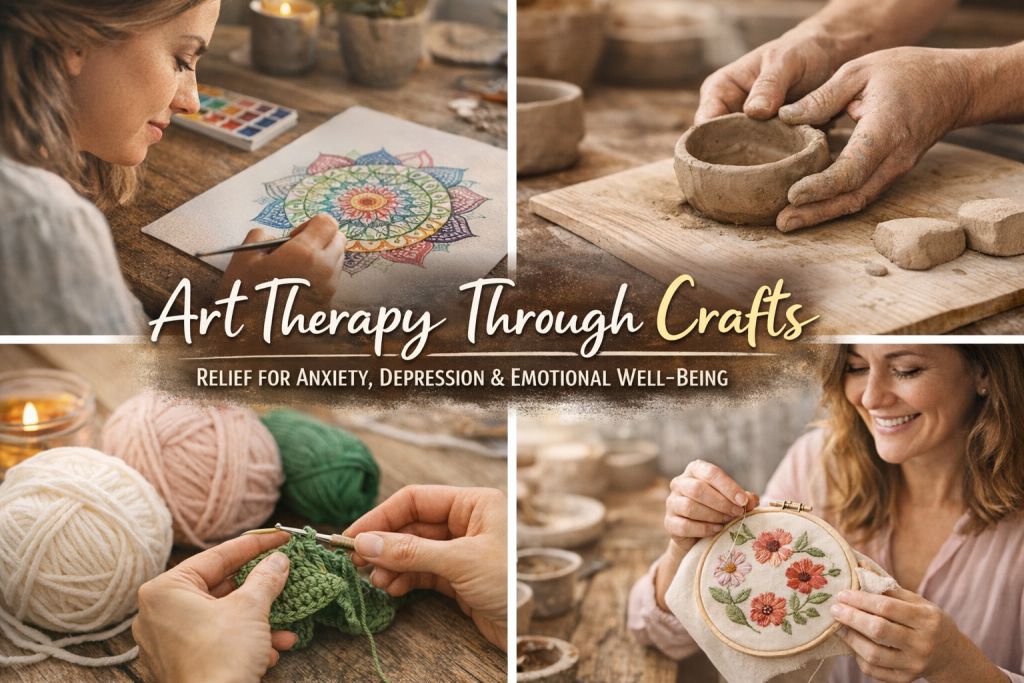
What Art Therapy Through Crafts Really Means
Art therapy doesn’t always need a therapist sitting across from you (though that’s incredibly effective in clinical settings). Sometimes, the act of creating something with your hands becomes its own form of therapy. Crafts like:
- watercolor painting
- pottery
- knitting or crocheting
- origami
- embroidery
- resin art
- scrapbooking
All of these give you a way to express yourself without needing the right words. There’s no pressure to be talented. The goal is to let your emotions out, not to be perfect.
Why Crafts Calm an Anxious Mind
Anxiety often shows up as nonstop thoughts, tension in the body, and difficulty focusing. Crafts interrupt that cycle.
1. They quiet the mind
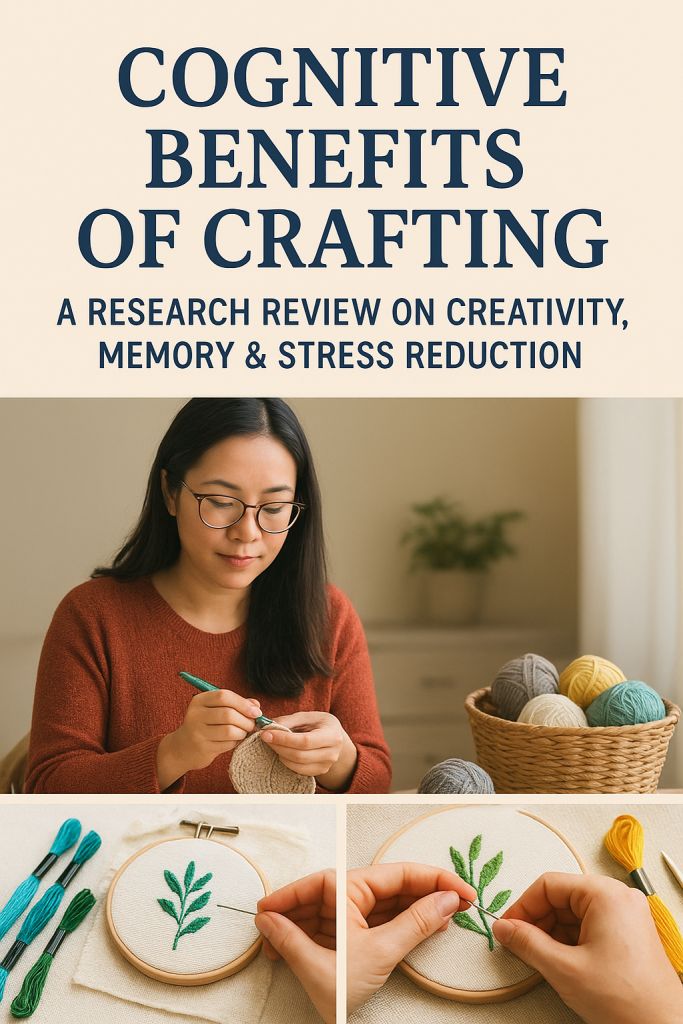
I once read a study in the American Journal of Public Health showing that art-making lowers cortisol, the stress hormone. You can actually feel your mind change. When you color or shape clay, your focus moves away from stressful thoughts.
2. They create a flow state
Have you ever been so absorbed in something that you lose track of time? Psychologists call this “flow.” It’s very calming, and crafts make it easy to reach this state.
3. They offer a sense of control
Anxiety grows when things feel uncertain. Crafts, in contrast, give you small wins:
- one stitch finished, one shape carved, one page decorated.
These small victories may seem minor, but they matter to an anxious mind.
How Crafts Help with Depression
Depression is more than sadness. It can feel like emptiness, heaviness, and a lack of motivation. That’s why creative work can help.
1. Crafts give the brain a dopamine boost
Dopamine is the brain’s reward chemical. When you finish even a small part of your craft, your brain releases some dopamine, which can gently boost your mood.
2. You see your progress
Depression can make you feel stuck. Crafts give you something you can see and touch, showing you made progress, even on a slow day.
3. They make emotional expression easier
Some feelings are too tangled to explain. Art helps you express them without talking.
A color, a line, a texture—it’s all communication.
A color, a line, or a texture can all be ways to communicate.
Even if you don’t struggle with anxiety or depression, crafts can help you feel more balanced.
1. They help you process what you feel
Choosing colors or patterns often mirrors your emotions more than you realize.
2. They pull you into the present moment
Crafts are a natural way to practice mindfulness. Your hands stay busy, your thoughts slow down, and your mind becomes calmer.
3. They enhance problem-solving and patience
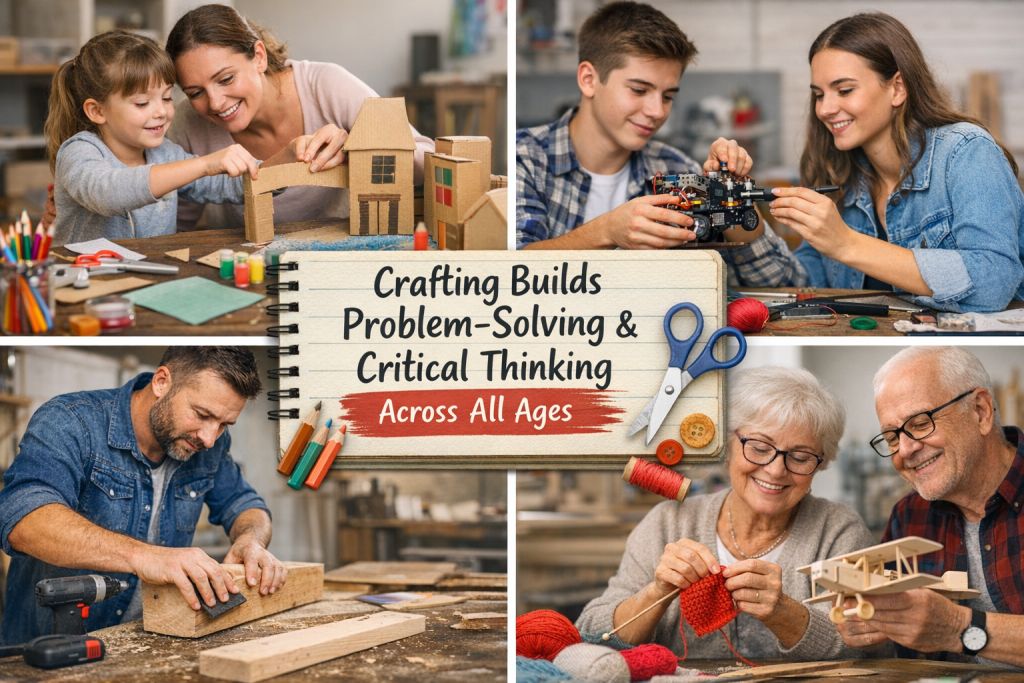
You learn to think creatively, fix mistakes, and try new approaches. These skills carry over into everyday life.
4. They strengthen social connections
Joining a crafting circle, a workshop, or even an online community can reduce loneliness and increase motivation.
My Own Turning Point with Craft-Based Healing
A few years ago, I went through a tough time with too much work, a personal setback, and a constant feeling of exhaustion. One day, a friend gave me a pack of air-dry clay and said, “Just try it.”
I didn’t expect much. But as I started shaping the clay, something changed. My breathing slowed. I stopped overthinking. I wasn’t replaying conversations or worrying about deadlines. My hands were simply working.
The small bowl I made that day wasn’t pretty, but it helped me feel grounded in a way I hadn’t felt for months.
Since then, I’ve tried watercolor, embroidery, macramé, and even candle making. Each craft has taught me something new about myself. That’s why, whenever I write about health and lifestyle, I mention crafts. They’re accessible, calming, and they truly work.
A Real Story That Stayed With Me
During a creative workshop I was covering last year, I met a young woman who had recently fallen into a deep depressive phase after losing her job. She told me she felt useless and disconnected from the world.
She joined a free crochet group just to get out of the house. At first, she could barely hold the hook properly. The women in the group were patient, and the repetitive motion of crocheting gave her a rhythm to follow.
She once told me:
“I didn’t get my old life back. But crochet helped me build a new one.”
Today, she sells her handmade items online. More importantly, she has regained confidence and a sense of purpose. Her story reminded me that healing doesn’t always come with a big moment; sometimes, it starts quietly with yarn and a simple hook.
What Research Says About Crafting and Mental Health
To keep things evidence-based, here are a few key findings:
- A large review in the American Journal of Public Health found strong links between creative arts and improvements in mood, cognitive function, and stress levels.
- A study in the Journal of Positive Psychology showed that even 20 minutes of creative activity a day can help people feel more energetic and hopeful.
- Research published in the British Journal of Occupational Therapy found that knitting helped participants feel calmer and more emotionally stable.
- A study in The Art Therapy Journal found that coloring mandalas significantly reduced anxiety in adults.
Science supports what many people already feel in their own lives.
Why Crafts Fit Naturally with Health & Lifestyle Habits
If you enjoy reading about health and lifestyle, crafts are a natural extension of that interest. They encourage:
- slowing down
- Reducing screen time
- mindful living
- emotional self-awareness
- personal growth
- a more balanced daily routine
Crafts do more than fill your free time. They enrich your life.
Simple Craft Ideas You Can Try Today
You don’t need expensive supplies or special skills. Here are a few low-pressure ideas:
- Mandala or pattern coloring
- Basic clay shapes
- Paper quilling or origami
- Simple embroidery patterns
- DIY candle making
- Painting glass bottles
- Watercolor blending exercises
Begin with something simple and let the process guide you.
How to Make Crafts a Part of Your Self-Care Routine
Here are easy ways to build consistency:
- Dedicate one hour a week to creating
- Keep a small craft kit at home
- Join a community or group
- Play soft music while crafting
- Notice how you feel before and after creating
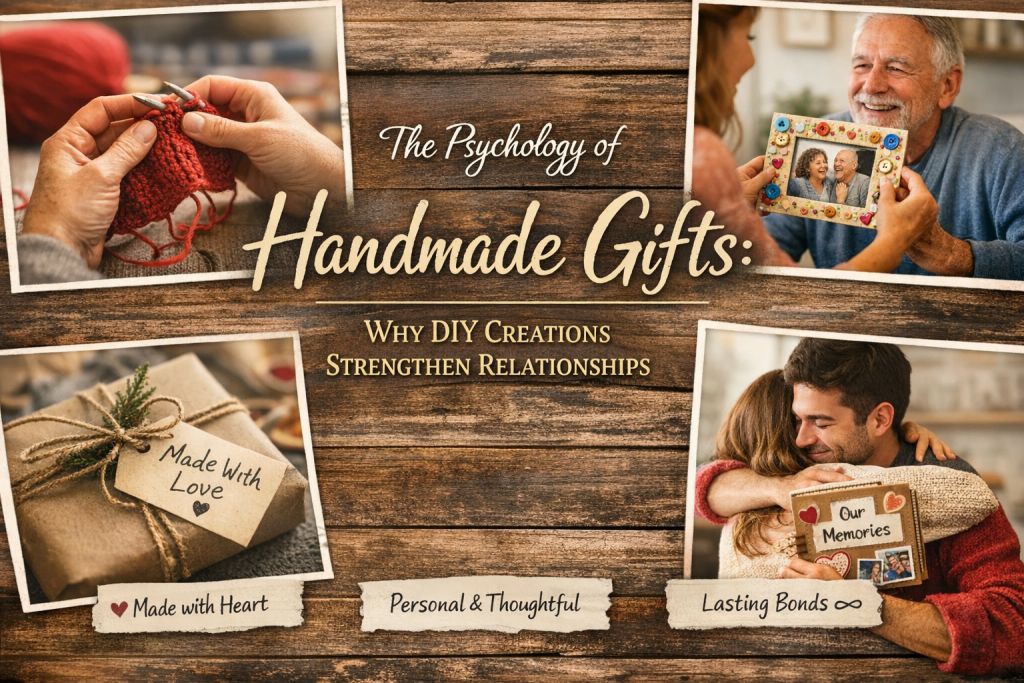
- Give your finished pieces to loved ones
Crafting is a private conversation between you and your emotions, and you decide the pace.
Final Thoughts
Art therapy through crafts isn’t about being artistic. It’s about being present, expressing yourself, and finding relief in small moments of creativity. Research shows its impact, but real life shows it even more.
I spend a lot of time exploring health and lifestyle topics, and I’ve seen how much these small creative breaks can help. They don’t require much effort, special training, or big changes to your routine. All you need are your hands, a few materials, and a willingness to slow down.
Start with something simple and let that small spark of creativity quietly reshape your emotional world.