How agritourism is reshaping travel, sustainability, and rural economies in 2025.
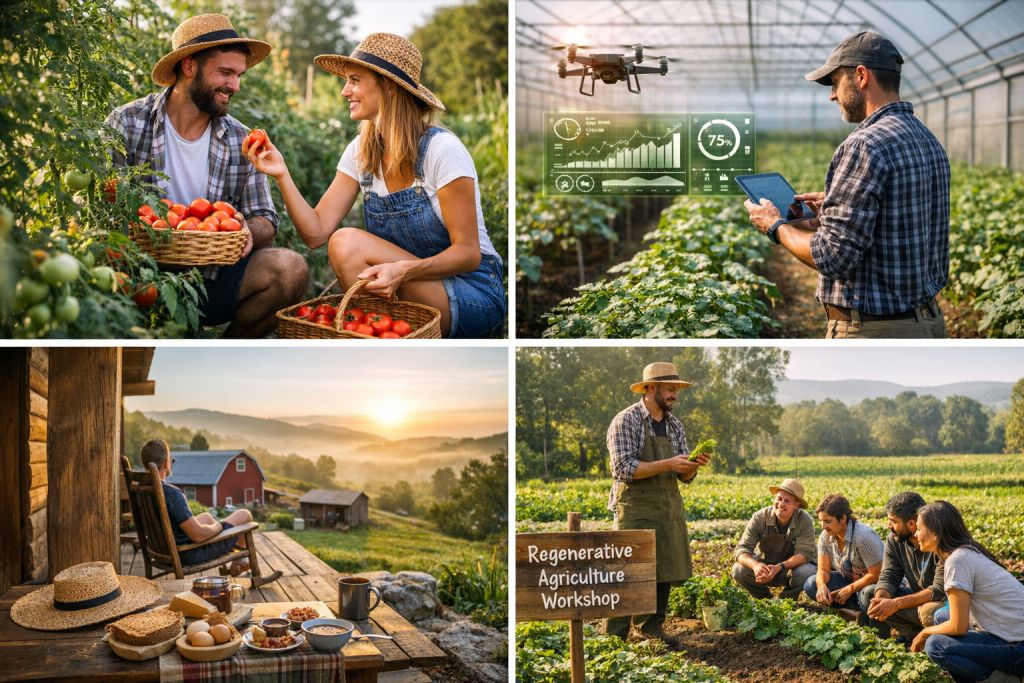
Agritourism has become a significant movement. In 2025, travelers increasingly seek experiences that blend rural tranquility, organic living, cultural immersion, and advanced technology on farms. Agritourism now includes immersive farm stays, regenerative agriculture workshops, and rural tech showcases, moving well beyond traditional farm tours. This article examines how the trend is developing, who benefits, and its growing importance.
What Is Agritourism—and Why Does It Matter Now?
Agritourism combines agriculture and tourism by inviting visitors to participate in farm activities, stay on farms, learn about organic and regenerative practices, and engage with rural life. Rather than passive sightseeing, it offers hands-on educational experiences such as harvesting, cheese-making, and animal care, emphasizing authenticity and sustainability.
Agritourism is a valuable tool for economic diversification and community engagement in rural areas. Research indicates it supports job creation, cultural preservation, and environmental awareness, helping to bridge the urban-rural divide.
In 2025, growing interest in mindful travel and eco-friendly lifestyles has made agritourism more relevant than ever:
- Farm stays offer emotional well-being and a slow pace of life.
- Organic living experiences educate visitors about sustainable food systems.
- Rural tech showcases introduce visitors to agri-innovations reshaping food production.
Trending Agritourism Experiences in 2025
1. Immersive Farm Stays: More Than Just a Bed in the Barn
Farm stays now dominate the agritourism market, accounting for the largest share of value in 2025.
Travelers now fully immerse themselves in farm life:
- Daily rhythms: Guests help with milking, planting, and harvesting.
- Culinary immersion: Meals made from farm-fresh produce, often cooked in traditional ways.
- Night skies and nature: Farm stays provide star-filled skies and a level of quiet not found in urban areas.
For example, during a farm stay in rural India, I woke before dawn to the sounds of cicadas and cattle. Visitors participated in watering saplings, walked through fields, and shared meals of rotis, seasonal sabzi, and fresh buttermilk—experiences not found in city hotels. This lifestyle shift refreshed the mind and fostered a deeper appreciation for food and nature.
2. Organic Living & Regenerative Agriculture Retreats
Interest in organic and regenerative living is increasing, particularly among environmentally conscious travelers. Regenerative farming retreats, an evolution of traditional agritourism, combine sustainability with luxury and wellness.
These retreats focus on:
- Soil health and biodiversity
- Farm-to-table cuisine
- Ecological workshops and sensory experiences
Guests at these retreats actively participate and learn:
- Practical composting techniques
- Organic pest management
- Regenerative field visits with farmers
This hands-on learning builds environmental literacy and equips visitors with tools to adopt sustainable habits at home.
3. Tech Meets the Farm: Rural Tech Experiences
Technology is enhancing, not replacing, traditional farming. In 2025, agritourism increasingly highlights agri-tech innovations that support sustainability and improve visitor experiences.
Tech experiences may include:
- Virtual reality (VR) tours of high-tech greenhouses
- Mobile apps and online platforms for farm bookings
- Interactive GIS or drone demos showing precision agriculture
- IoT sensors and data stations explaining soil health and irrigation
These experiences attract curious travelers, particularly digital natives and remote workers, and help bridge tradition with innovation.
Benefits for Farmers, Communities & Travelers
Agritourism benefits all stakeholders when thoughtfully implemented.
For Farmers & Rural Communities
- Economic diversification: Revenues from tours, workshops, accommodation, and farm products help stabilize income, especially during unpredictable commodity cycles.
- Job creation: Hosting tourists opens roles in hospitality, guiding, and product sales.
- Cultural preservation: Traditional farming techniques and regional crafts are kept alive through workshops and storytelling.
For Tourists & Urban Visitors
- Reconnection with food origins: Visitors understand where their food comes from and how it’s grown.
- Well-being: Nature immersion and slower pacing improve mental health and reduce stress.
- Authentic memories: Guests gain stories, skills, and personal growth, rather than generic travel experiences.
Current Global and Regional Trends
According to recent market research:
- Agritourism is growing steadily, with wellness and farm-to-table experiences becoming increasingly popular.
- Digital and social media play a significant role in promoting rural experiences and streamlining the booking process.
- Asia-Pacific is one of the fastest-growing regions, with initiatives supporting rural tourism and organic tourism.
Challenges & Solutions
Despite its promise, agritourism isn’t without hurdles.
Infrastructure Gaps
Many rural areas lack adequate transportation, lodging amenities, and internet connectivity, which limits growth.
Solution: Partnerships among governments, NGOs, and local enterprises can improve roads, broadband connectivity, and hospitality training.
Seasonality of Activities
Weather and farm cycles can make agritourism unpredictable.
Solution: Diversify offerings (workshops, indoor experiences, cooking classes) to boost year-round appeal.
Marketing & Awareness
Small farms may lack digital marketing expertise.
Solution: Leverage social media, digital platforms, and regional tourism boards to attract visitors globally.
When farmers receive training in digital outreach, bookings rise significantly. This demonstrates how marketing integration drives growth.
The Future Is Experiential & Sustainable
In 2025, agritourism is shifting toward deeper experiences that educate, heal, and inspire. It is no longer just about accommodation; it is about transformation. People seek meaningful experiences, and farms are well-positioned to provide them.
Whether you’re:
- A traveler yearning for organic living and wellness,
- A farm owner seeking new revenue streams, or
- An entrepreneur eyeing rural tech tourism,
Agritourism offers compelling opportunities that empower both visitors and communities.
Final Takeaways
- Authenticity is central to tourism in 2025. Travelers seek connection rather than consumption.
- Agritourism is a portfolio of experiences—from rustic farm stays to high-tech showcases.
- Sustainability is essential to agritourism’s appeal and ecological impact.
- Collaboration among farmers, technology innovators, and marketers creates the most vibrant agritourism ventures.
If you are considering agritourism, whether as a traveler seeking reconnection with nature or a farm owner looking to diversify, 2025 is the year the movement reaches its stride. By blending tradition with technology and community engagement with sustainability, agritourism represents the future of thoughtful travel and rural prosperity.