How Digital Behaviour Quietly Shapes Modern Crafting Culture
Introduction: When Handmade Met the Algorithm
Not very long ago, craft trends spread slowly. Someone discovered a new knitting pattern at a local market, shared it with friends, and months later, the idea travelled somewhere else. Creativity moved at a human pace.
Today, everything moves faster and feels in sync. One week, everyone is making textured candles; the next, punch-needle art is everywhere. The internet seems to pick up the same hobby overnight.
After seeing this happen again and again, it becomes clear these trends are not random. Behind them are computer programs that decide what appears on millions of screens every minute.
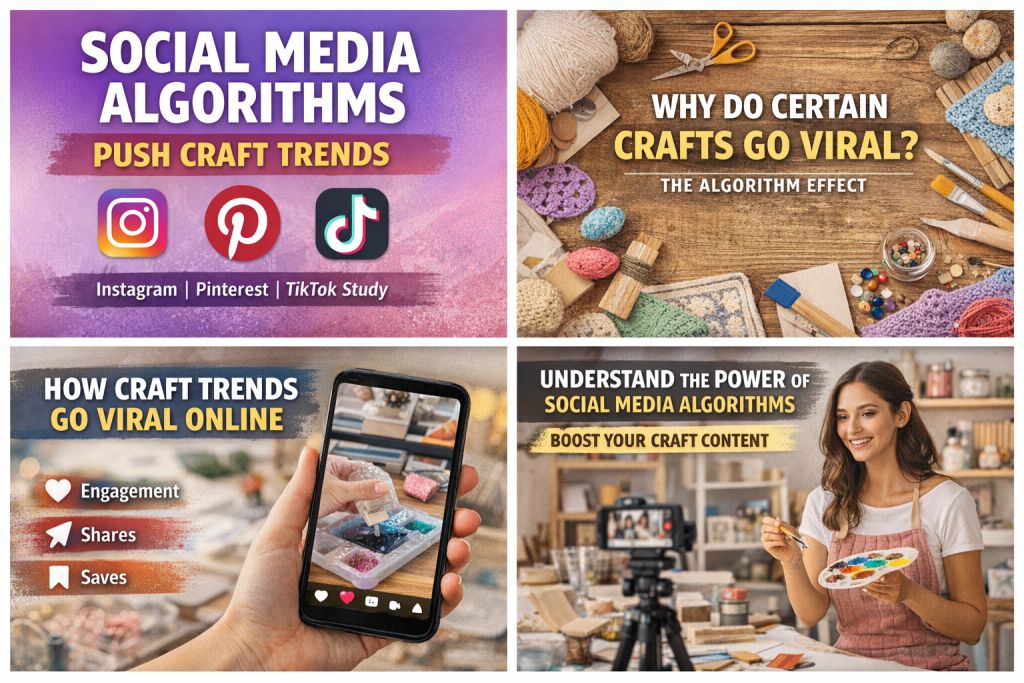
Instagram, Pinterest, and TikTok do more than show creative content. They affect which crafts are noticed, which styles become popular, and how people pick up new skills.
This article explores how social media algorithms quietly but powerfully influence which craft trends rise to the top and how digital behaviour and crafting culture interact to shape what people create today.
The Return of Crafting in a Digital World
Crafting has grown alongside technology rather than being replaced by it. Many people spend their days online but still seek out physical and grounding activities.
That contrast explains part of the craft revival.
In recent years, people have begun sharing small creative moments online — painting sessions, crochet experiments, and handmade decorations. Viewers responded strongly. These videos felt calmer than fast news or entertainment content.
Computer programs noticed that people watched craft videos longer. Platforms slowly started showing more craft videos. Personal hobbies soon turned into big trends.
Crafting didn’t just become popular again. Visibility changed.
Why Craft Content Works So Well Online
When you watch a craft video, you usually want to see the result. That curiosity keeps you watching longer than you might expect.
This simple behaviour aligns perfectly with how social media platforms measure success.
Craft videos naturally encourage:
- full video watching,
- replaying steps,
- saving tutorials,
- sharing ideas,
- asking questions.
Each time someone interacts, it tells the system the content is interesting. The computer program then shows it to more people.
Crafting fits almost perfectly with how people pay attention online. Creators don’t plan it that way; making something offers a clear start, middle, and satisfying finish.
How Different Platforms Create Different Craft Trends
Although people often group social media together, each platform encourages its own style of creativity.
Instagram: The Age of Aesthetic Crafting
On Instagram, visuals speak first. Users scroll quickly. Creators have seconds to capture interest.
Craft content that performs well often focuses on:
- clean visual setups,
- calming colour palettes,
- transformation moments,
- short, polished reels.
A handmade jewellery creator shared their work, but initially, their posts focused on explanations. Later, they began videos with the finished jewellery shown under soft lighting, then showed the process.
Engagement improved almost immediately.
The craft didn’t change. The viewing experience did.
Pinterest: The Slow but Powerful Discovery Engine
Pinterest feels different from most social platforms because people arrive with an intention. They are planning something — a room makeover, a gift, a seasonal project.
Instead of chasing trends, Pinterest organises ideas.
Craft tutorials perform well here because they solve problems. A clear, step-by-step guide or visual post can continue to gain traffic long after it is published.
Some creators ignore Pinterest because growth seems slow. Its long-lasting posts make it one of the most reliable places for craft ideas online.
TikTok: Where Trends Move at Lightning Speed
TikTok is a place to test ideas. Videos go to small groups first; reactions decide if they reach more viewers.
Because of this system, unknown creators sometimes reach millions overnight.
Perfection isn’t needed. Some popular craft videos feel spontaneous, filmed at kitchen tables or in small workspaces.
A video showed someone learning embroidery and discussing their struggles with stress. The stitching was simple, and the editing minimal. Viewers responded by sharing similar experiences in the comments.
This demonstrated that audiences respond not only to creativity but also to honesty.
Digital Behaviour and Crafting Culture Today
Social media has subtly changed how people craft.
Crafting was once private. Now it’s part of how people express identity online.
People craft today to:
- slow down mentally,
- share personal aesthetics,
- connect with communities,
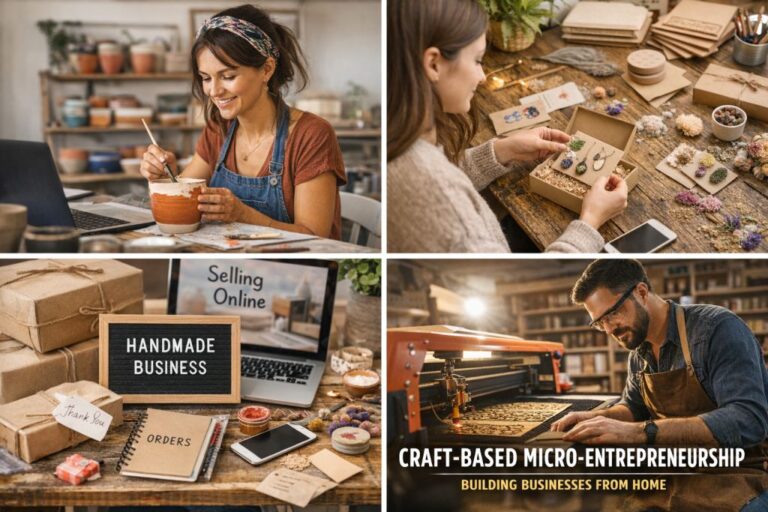
- or build small creative businesses.
Computer programs encourage these habits by repeatedly showing people similar content. Over time, common looks appear, creating clear craft trends.
Crafting has become both personal and collective.
Why Watching Crafts Feels So Satisfying
There is a psychological reason for the popularity of craft content.
Watching creation unfold provides:
- anticipation,
- relaxation through repetition,
- and a feeling of success, even if they did not make it themselves.
Viewers feel like they helped make something. This emotional response keeps them watching, which algorithms notice.
Challenges Creators Often Encounter
“My Work Is Good, But No One Sees It”
Many creators think good work alone gets noticed. Online, storytelling is as important as skill.
Showing experimentation or learning moments often connects more strongly with audiences.
Creative Exhaustion From Trends
Copying every popular style can be exhausting. Many creators combine classic how-to videos with occasional trends, rather than following every new thing.
Fear of Algorithm Changes
Computer programs change often, which can feel random. Sharing content across different platforms helps you avoid relying on just one.
Experience and Trust in the Algorithm Age
Audiences now care more about what feels real. Honest experiences build trust faster than perfect work.
Creators earn trust by:
- explaining decisions,
- sharing lessons learned,
- showing imperfect attempts,
- and speaking honestly about their process.
Interestingly, viewers often learn more from content they can relate to than from perfect step-by-step videos.
Where Craft Trends May Be Heading
Current patterns suggest several emerging directions:
- eco-friendly and recycled crafts are gaining popularity,
- shorter learning formats replacing long tutorials,
- storytelling is becoming central to creative content,
- digital tools assisting handmade design ideas.
Technology will continue to influence visibility, but creativity remains deeply human.
Practical Ways Creators Can Adapt
- Capture attention early with a clear result.
- Focus on visual clarity rather than lengthy explanations.
- Encourage viewers to interact.
- Post consistently without chasing perfection.
- Build conversations, not just content.
Small shifts in approach often produce meaningful results.
A Bigger Perspective
Crafting today sits at the intersection of tradition and technology. Algorithms may guide discovery, but the desire to create comes from people seeking expression, comfort, or connection.
Every viral trend still begins with someone experimenting quietly at home.
Technology accelerates creativity, but it doesn’t replace it.
Conclusion
Instagram, Pinterest, and TikTok have transformed how craft trends emerge and spread. Algorithms shape visibility, influence digital behaviour, and help creative communities grow faster than ever before.
Yet the core of crafting remains unchanged: people making things by hand and sharing stories through creation.
Algorithms may push trends forward, but human curiosity is what starts them.
About the Author